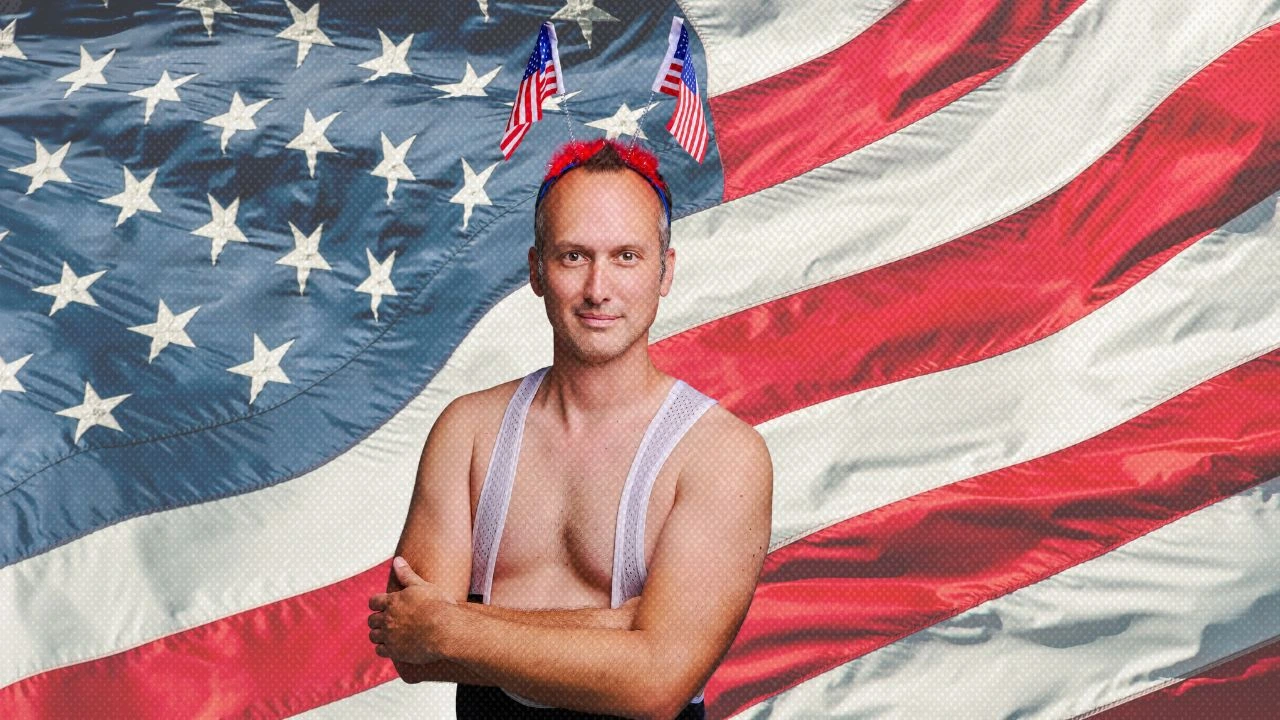
We celebrate Independence Day with fireworks, flags, and familiar traditions, but somewhere along the way, the meaning of it all can start to feel abstract. It becomes something we remember instead of something we live.
Two hundred and fifty years is a long time—long enough for things to get a little blurry.
We celebrate Independence Day with fireworks, flags, and familiar traditions, but somewhere along the way, the meaning of it all can start to feel abstract. It becomes something we remember instead of something we live. Lately, though, I've been thinking about this milestone differently, because for me, freedom has never been theoretical. It's always been personal.
For as long as I can remember, I was surrounded by entrepreneurship. Long before I understood balance sheets, valuations, or private equity, I understood what it looked like when people took responsibility for creating their own opportunities. I saw businesses being built, problems being solved, and risks being taken. I also saw the stress that came with it. There were good years and difficult years. Wins that felt exciting and setbacks that felt personal. Learn about my journey here.
Looking back, those experiences taught me something that school never could. They taught me that freedom isn't free, and it certainly isn't easy. The people around me weren't building businesses because it was the safest path. They were building because they wanted ownership over their future. They wanted the ability to make decisions, create value, and determine their own direction. Even as a kid, that idea stuck with me.
I didn't know I would eventually end up in private equity, and I definitely didn't have some grand master plan. What I did know was that I was drawn to the idea of building. Creating. Taking responsibility for outcomes instead of waiting for someone else to determine them. The older I got, the more I realized that what I was really chasing wasn't money—it was freedom.
Freedom Starts With Ownership
For me, freedom didn't begin with a financial goal or a career milestone. It began with a quiet realization that I wanted ownership of my life. Not just ownership in the business sense, but ownership of how I spent my time, what I worked on, who I surrounded myself with, and what kind of impact I wanted to have.
That realization didn't arrive with a roadmap. It came with uncertainty, questions, and more than a few mistakes. But that's the part of freedom that doesn't get talked about enough. It isn't something you're handed. You build toward it. Choice by choice. Risk by risk. Sometimes success moves you forward, and sometimes failure teaches you what success couldn't.
Over time, I've come to see freedom less as a destination and more as a practice. It requires discipline, responsibility, and the willingness to own both the opportunities and the consequences that come with your decisions. That's true in business, investing, and life.
Democracy Gives Us a Voice. Capitalism Gives Us a Vehicle.
As America approaches its 250th anniversary, it's easy to focus on what's broken. Every generation does that to some extent. But when I step back, I'm reminded of something remarkable: we live in a society that allows people to build.
You can start with an idea that nobody believes in. You can take a risk. You can fail. You can learn. You can try again. That ability—to continuously create, adapt, and pursue opportunity—is something many people throughout history never had.
I've always believed that democracy and capitalism are at their best when they're working together. Democracy gives us a voice. Capitalism gives us a vehicle. One allows us to participate in shaping the future, while the other allows us to create value within it.
Neither system is perfect. Nothing built by human beings ever is. But together they've created generations of entrepreneurs, innovators, workers, investors, and dreamers who have been able to pursue lives that look different from the ones they inherited. That's a powerful thing. You can read more about that philosophy here.
Money is a Tool, Not the Destination.
One lesson that's become clearer to me over the years is that money is often misunderstood.
People tend to treat money as the destination, as though reaching a certain number will somehow solve every problem. I've written before about why I believe investors should think differently than traditional Wall Street thinking. But in my experience, money is most valuable when you stop treating it as the goal and start treating it as a tool.
Money creates options. It creates flexibility. It provides the ability to make decisions from a position of intention instead of fear. It can help you support your family, pursue meaningful work, invest in your future, and contribute to causes that matter to you.
That's why I've never been particularly interested in money for money's sake. What interests me is what money makes possible.
At its best, wealth provides something that is becoming increasingly difficult to find in today's world: the freedom to choose. The freedom to spend your time where it matters most. The freedom to build. The freedom to say no. The freedom to pursue a life that feels authentic to who you are.
To me, that's the real purpose of money.
Don't Just Celebrate Freedom, Practice It.
Freedom also comes with responsibility, and that's the part we don't always put on greeting cards or fireworks displays. At some point, every person has to ask themselves a difficult question: Am I building a life that reflects my values, or am I simply following a path that someone else designed for me? I don't think there's a single right answer. But I do think it's a question worth asking. Many of the conversations we've been having lately—both personally and on the podcast—have centered around what it means to live authentically and intentionally.
When I reflect on what 250 years really means, I don't see a finished story. I see an ongoing one. The founders didn't create a perfect nation; they created a framework that each generation has been responsible for improving, protecting, and evolving.
In many ways, business works the same way. You're never building something perfect. You're building something that can adapt. Something that reflects your values. Something that creates opportunities for others after you're gone.
As we celebrate America's 250th birthday, I'm grateful for the opportunities this country has provided—not just to me, but to millions of people willing to dream, build, risk, fail, learn, and try again. That's worth celebrating.
So this year, when the fireworks go off and the flags come out, I'll be thinking less about America's past and more about its promise. The promise that each of us still has the opportunity to create a life that is authentically our own. To me, that's what freedom means.
And if money serves any purpose at all, it's helping us protect and expand that freedom—for ourselves, our families, and the generations that follow.
Happy Independence Day!