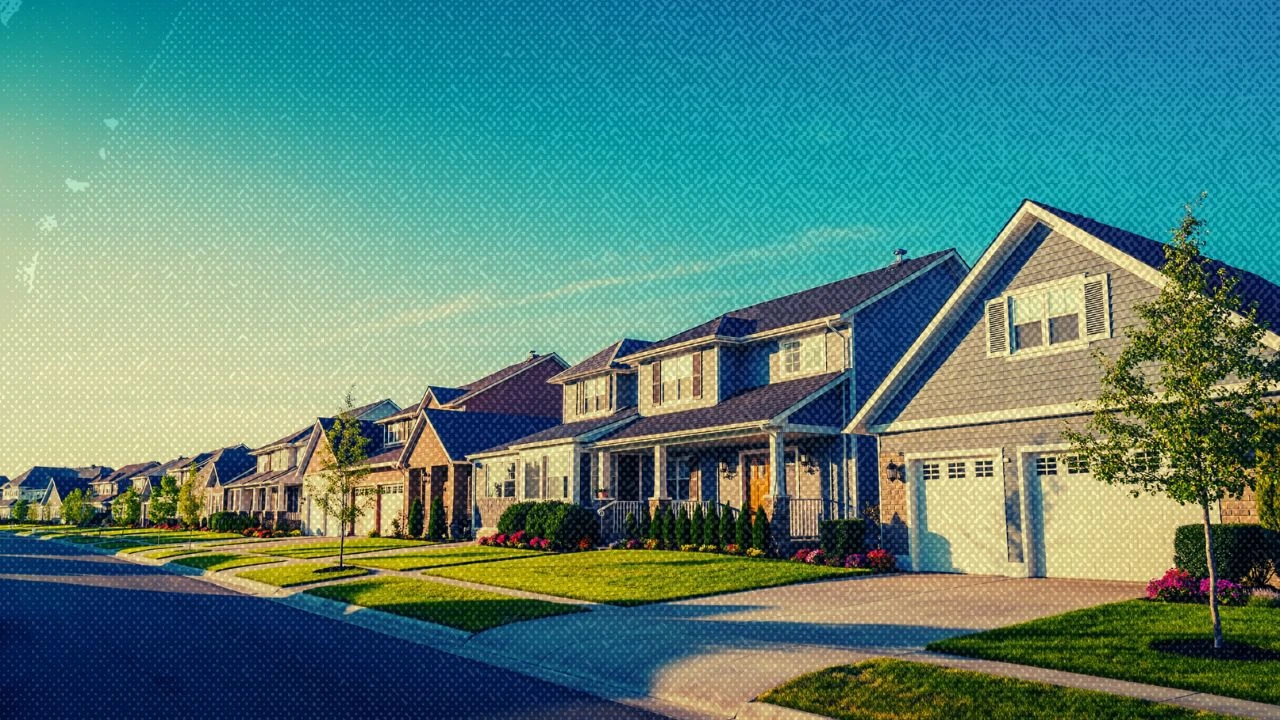
Our philosophy begins with a simple premise: people deserve quality housing regardless of their income. Safe neighborhoods, well-maintained homes, responsive landlords, and stable communities should not be considered luxuries available only to those with the highest incomes
Where Capital and Compassion Align
There are very few investments where doing well financially is so naturally aligned with doing something genuinely good for society. Affordable housing—particularly well-managed Section 8 housing—is one of those rare opportunities. It is an investment strategy that has the potential to produce attractive, stable returns for investors while simultaneously strengthening families, neighborhoods, and entire communities. We believe that when capital and compassion are pointed in the same direction, everyone benefits.
Rethinking the Stigma Around Section 8 Housing
Unfortunately, Section 8 has carried an unfair stigma for decades. Mention the program to many real estate investors and the first images that come to mind are distressed neighborhoods, neglected properties, and difficult tenants. Those situations certainly exist, but they are not a product of the Section 8 program itself. More often than not, they are the result of poor ownership, poor management, and a lack of long-term vision. We believe the program deserves a different perspective.
Our philosophy begins with a simple premise: people deserve quality housing regardless of their income. Safe neighborhoods, well-maintained homes, responsive landlords, and stable communities should not be considered luxuries available only to those with the highest incomes. We believe affordable housing should look and feel no different than any other professionally managed residential community. The standard should be excellence, not simply adequacy.
Why Housing Stability Changes Everything
Housing itself is one of the most fundamental human needs. Beyond food and safety, there are few things that have a greater influence on a person's life than the place they call home. A home is where children grow up, where families gather, where people recover from difficult days, and where they build routines that shape the rest of their lives. Housing is not merely shelter; it is the physical foundation upon which much of life is built.
When housing becomes unstable, nearly every other part of life becomes more difficult. Children are forced to change schools, parents struggle to maintain employment, social networks disappear, and financial stress begins to affect every decision a family makes. Conversely, when housing becomes stable, people are able to focus on education, employment, health, and building a better future. Stability itself becomes an asset that compounds over time.
That is why we view affordable housing as something much larger than a real estate investment. Every property we own represents an opportunity to create stability for another family. While our investors rightfully expect strong financial performance, we also recognize that our work carries a broader responsibility. We are not simply buying buildings—we are providing homes.
Understanding the Section 8 Housing Choice Voucher Program
The Section 8 Housing Choice Voucher Program is often misunderstood. The program, administered locally by Public Housing Authorities and funded through the U.S. Department of Housing and Urban Development (HUD), helps qualifying families afford housing in the private market. Rather than the government owning the housing, families lease homes from private landlords just like any other renter. The tenant contributes a portion of the rent based on household income, while the Housing Authority pays the approved balance directly to the property owner. The resident signs a lease, must follow all lease provisions, and can lose housing assistance if they repeatedly violate program rules. In many respects, the relationship is no different than any other professionally managed rental property.
Why We Find This Investment Profile So Attractive
From an investment perspective, however, the structure creates several characteristics that we find exceptionally attractive. Affordable housing is supported by one of the strongest demand profiles in the entire residential market. Regardless of economic conditions, people need a safe place to live. In many communities across the country, the demand for housing assistance far exceeds the available supply, resulting in waiting lists that stretch for years. Unlike many sectors that experience significant cyclical swings, affordable housing addresses a need that remains remarkably consistent through both economic expansions and recessions.
The financial characteristics are equally compelling. Because a significant portion of the rent is typically paid directly by the Housing Authority, owners often benefit from more predictable cash flow than many traditional rental properties. Residents who find quality housing in desirable neighborhoods frequently remain for many years, reducing turnover costs, vacancy losses, and leasing expenses. Meanwhile, investors continue to own appreciating real estate in markets where long-term population growth, employment, and housing demand support increasing property values over time. It is an investment that seeks to combine dependable income with long-term capital appreciation.
Location Matters: Affordable Housing Belongs in Thriving Communities
One of the greatest misconceptions surrounding affordable housing is the belief that it belongs only in distressed neighborhoods. We reject that idea entirely. We believe affordable housing should exist in the very neighborhoods where families have the greatest opportunity to succeed. Access to quality schools, safe streets, parks, employment centers, healthcare, and community resources should not be reserved exclusively for higher-income households. Numerous studies have demonstrated that neighborhood quality has profound long-term effects on educational outcomes, employment opportunities, health, and economic mobility. By placing families into stronger communities, we are not merely providing housing—we are expanding opportunity.
Seeing People, Not Just Tenants
Equally important is the way we think about residents themselves. We do not see "Section 8 tenants." We see people. They are veterans, retirees, healthcare workers, teachers' aides, single parents, tradespeople, individuals living with disabilities, and families navigating difficult circumstances while working to improve their futures. Like every other segment of the rental market, successful housing begins with careful screening, clear expectations, professional management, and mutual respect. We seek residents who want stability, who value their homes, and who appreciate being treated with dignity. When owners invest in their residents, residents often invest back into their communities.
Where Investor and Resident Interests Align
Perhaps what excites us most about affordable housing is how naturally everyone's interests become aligned. Investors seek dependable cash flow, long-term appreciation, and well-managed assets. Residents seek safe, clean, stable homes where they can build their lives. Communities benefit from professionally maintained properties, reduced blight, increased neighborhood stability, and responsible ownership. Public resources are used to support private investment that creates lasting housing rather than temporary solutions. Few investments create this kind of alignment between financial incentives and social outcomes.
Building an Institutional-Quality Portfolio
Our vision extends far beyond acquiring a handful of rental properties. We believe there is an opportunity to build one of the nation's premier institutional-quality affordable housing portfolios—one founded on professionalism, operational excellence, and genuine respect for the families we serve. Our focus is not simply on acquiring more units. It is on raising the standard for what affordable housing should look like. Every property should be well maintained. Every neighborhood should be desirable. Every resident should feel proud to call their house a home. Every investor should have confidence that their capital is producing both competitive financial returns and meaningful social impact.
Scale plays an important role in that vision. A larger portfolio allows us to negotiate more favorable purchasing opportunities, centralize maintenance, improve operating efficiency, standardize resident services, and continually reinvest into the communities we own. As the portfolio grows, our ability to improve both investment performance and resident experience grows alongside it. In many ways, scale allows compassion and efficiency to reinforce one another rather than compete against one another.
The Bottom Line: Wealth and Purpose, Together
Ultimately, we believe the future of investing lies in creating value that extends beyond financial statements. Capital should not merely seek the highest return; it should seek the highest purpose consistent with generating outstanding returns. Affordable housing represents one of the clearest examples of this principle in action. By providing high-quality homes to families who need them most, investors have the opportunity to participate in an asset class supported by durable demand, attractive long-term economics, and meaningful human impact.
We do not believe investors should have to choose between building wealth and improving the world around them. The best investments accomplish both. Thoughtfully developed and professionally managed affordable housing—and specifically high-quality Section 8 housing—is one of those rare opportunities where financial success and human flourishing move in the same direction. That is why we believe it is not simply one of the best real estate investments available today. We believe it is one of the most meaningful investments that capital can make.
Our new investment vertical, Presidia, is now on-line and ready for accredited investors. Contact us to learn more.