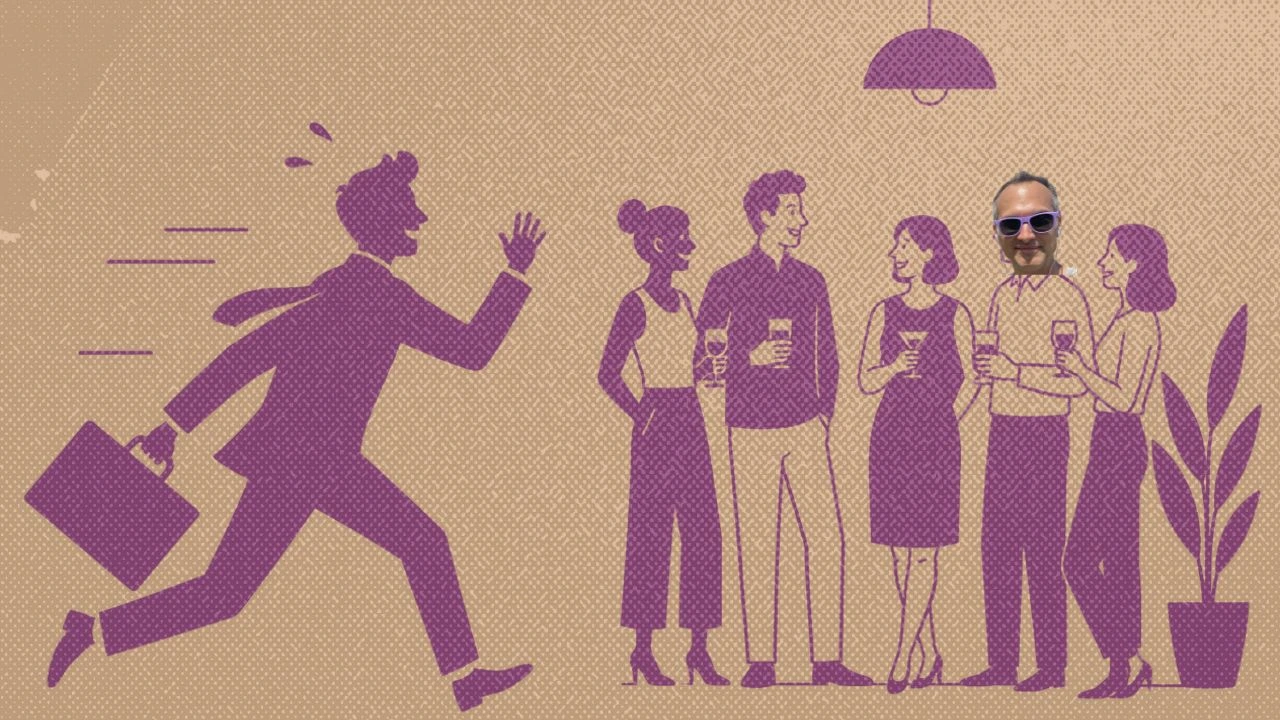
There is a long-running debate in business about whether it is better to sell B2B or B2C. I’ll be direct: I prefer B2C.In both cases, you are ultimately selling to a person. But the difference lies in who that person answers to. In B2B, the buyer has a boss. In B2C, the buyer answers only to themselves—and their feelings about the purchase. That distinction changes everything.
The Hidden Complexity of B2B
In a B2B transaction, the buyer is rarely evaluating the purchase on their own terms. They are not only considering what they believe to be true about the product or service, but also how that decision will be perceived up the chain of command—from their direct manager, to senior leadership, to the CEO, and ultimately to the end customer of the business.
Whether consciously or not, B2B buyers tend to optimize for approval rather than conviction. They are weighing the potential upside of the decision against the personal and political risk of being wrong. What happens if this doesn’t work? How will it reflect on me? Will I be blamed? Will this decision be questioned later?
This structure has benefits. It creates accountability. It can prevent reckless decisions. It forces alignment with outcomes.
But more often than not, it also creates friction.
Analysis paralysis becomes common. Internal politics creep into what should be straightforward decisions. Innovation slows because “proven” vendors feel safer than better ones. New processes, products, services, or relationships are delayed not because they are bad ideas, but because they introduce perceived personal risk to the decision-maker.
The result is that B2B selling often involves navigating dynamics that have little to do with the actual value being delivered.
The Simplicity and Power of B2C
Selling B2C is fundamentally different.
At the end of the day, there is only one person you need to make happy.
If the consumer has a good experience during the purchase process (I think of sales less as selling and more as assisting someone in buying) and they are happy with the end product or service, then the transaction is a success. There is no committee. No internal politics. No downstream justification required.
Consumers tend to make decisions based on more straightforward factors: price, quality, emotional connection, personal need, trust, and perceived value. The decision may be emotional, rational, or some combination of both.
To be sure, B2C comes with its own challenge: noise. Consumers are bombarded with information, ads, and offers constantly. Breaking through that clutter is difficult.
But if you do break through, the upside is substantial.
Direct-to-consumer businesses often enjoy better margins, stronger brand loyalty, and clearer feedback loops. When you serve individuals well, loyalty forms around the things that actually matter to them not around procurement cycles or internal approvals.
Why I’ll Take B2C Every Time
My preference for B2C comes down to clarity and alignment.
I like knowing that my customers are thinking only about themselves. I like knowing that if I can meet them where they are, solve a real problem or fulfill a real need, they will willingly enter into a long-term business relationship.
In B2B, there are always unknown and uncontrollable risk factors: entrenched vendors, internal politics, budget freezes, leadership changes, or considerations completely unrelated to the value you provide. Those risks can threaten both the beginning and the longevity of a B2B relationship, regardless of performance.
In B2C, the relationship is simpler and more honest.
Serve the person well, and the relationship endures.
.webp)